Estimated reading time: 5–6 minutes
Think building in Melbourne is complex? Try coordinating a construction project two hours out of the CBD, where your nearest supplier might be 80 kilometres away, council planning rules vary wildly from one shire to the next, and weather patterns change quicker than a tradesman’s playlist.
Welcome to regional Victoria — where the opportunity is vast, but only if you know how to navigate it.
At MKM Building Group, we’ve spent years delivering commercial, industrial, and agricultural projects across Ballarat, Geelong, Melton, Bacchus Marsh, and beyond. We’ve come to learn (sometimes the hard way) what it really takes to build well in regional areas — and why not all builders are equipped for it.
So let’s unpack the parts of regional construction no one talks about — the good, the bad, and the surprising.
It’s not just “Building further out”
When people hear “regional construction,” they often think it’s just like building in metro areas… but with a bit more driving. That couldn’t be further from the truth.
Regional building projects are shaped by local conditions in ways city-based developers often underestimate.
You’re dealing with different planning overlays, zoning quirks, environmental regulations, soil types, utilities access, and sometimes even community politics. And if you’re not across those from the start, they can derail timelines before you’ve poured a single footing.
We’ve had projects where a simple shed turned into a 6-month planning negotiation due to local heritage overlays — and others where we fast-tracked approvals because we already had the right conversations with council in place.
Knowing the landscape is everything.
Logistics can make or break you
Materials don’t just appear on site. In metro builds, if something’s missing, a supplier can usually get it to you by the next morning. Regional sites? You might be waiting a week — or more.
That’s why planning ahead isn’t a suggestion, it’s survival.
At MKM, we treat our construction timelines like choreography. Every delivery, every subcontractor, every sequence needs to be spot-on — because if one thing slips, it’s not just an inconvenience. It affects the whole program.
We’ve learned to work smarter: bulk order materials early, store them securely, and build float into the schedule. We also leverage strong relationships with regional suppliers to reduce dependence on Melbourne-based distribution.
It’s not glamorous — but it’s essential.
Local trades matter (a lot)
Here’s something most clients don’t see: regional builds rely on strong local trade networks.
Not every trade wants to drive two hours each way. And even if they do, you’re paying for that travel. That’s why having strong connections with reliable local subcontractors is gold.
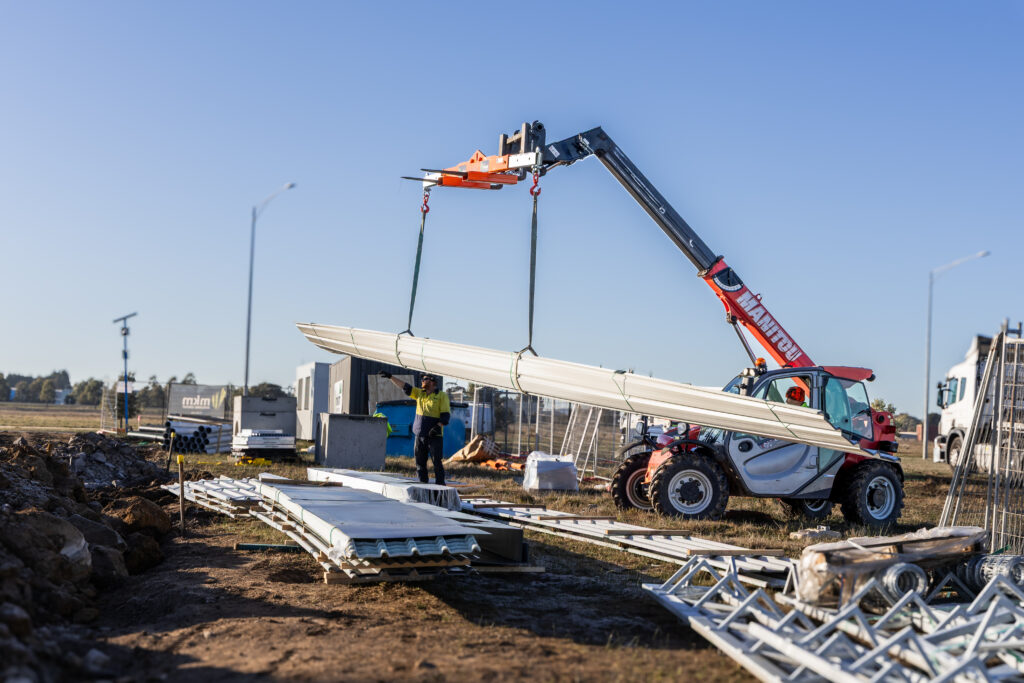
At MKM, we make a conscious effort to engage trades and suppliers from the local area of each project. It supports the regional economy, streamlines logistics, and gives us access to people who genuinely care about the outcome — because it’s in their backyard too.
These aren’t just names on a list — they’re trusted partners who know the local conditions and the standards we expect. It also means we can be more responsive and efficient, especially in areas where skilled labour can be hard to find.
Every council is different (and some more than others)
If you’ve ever submitted a planning application in regional Victoria, you’ll know that no two councils are alike.
Some are progressive, with streamlined processes and proactive officers. Others… well, let’s just say they prefer to take their time.
We’ve worked across over a dozen councils, and one of our key strengths is knowing how to tailor our approach for each. That might mean pre-lodgement meetings, specific reports (like cultural heritage or bushfire risk), or community consultation.
Clients often come to us frustrated after months of back-and-forth. Our team steps in, simplifies the process, and gets things moving — because we speak “council.”
Weather will test your patience (unless you’re prepared)
The climate in Victoria’s regional zones is as unpredictable as it is unforgiving.
You might get frost in Ballarat, wind tunnels in the western plains, scorching sun in Werribee, or rain delays in Geelong. If your builder isn’t accounting for these conditions during programming, you’ll feel the pain in both time and cost.
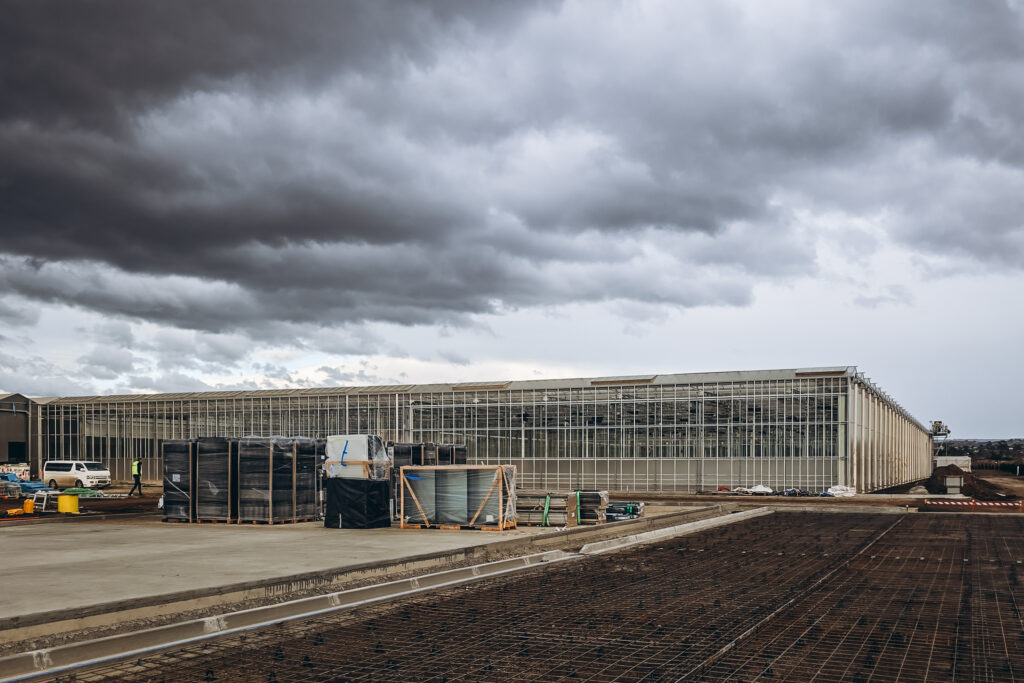
We’ve built winter programs to accommodate wet concrete curing times, added shade structures to help workers during heatwaves, and staged deliveries to avoid materials being damaged in wind-prone zones.
Good builders don’t complain about the weather — they design around it.
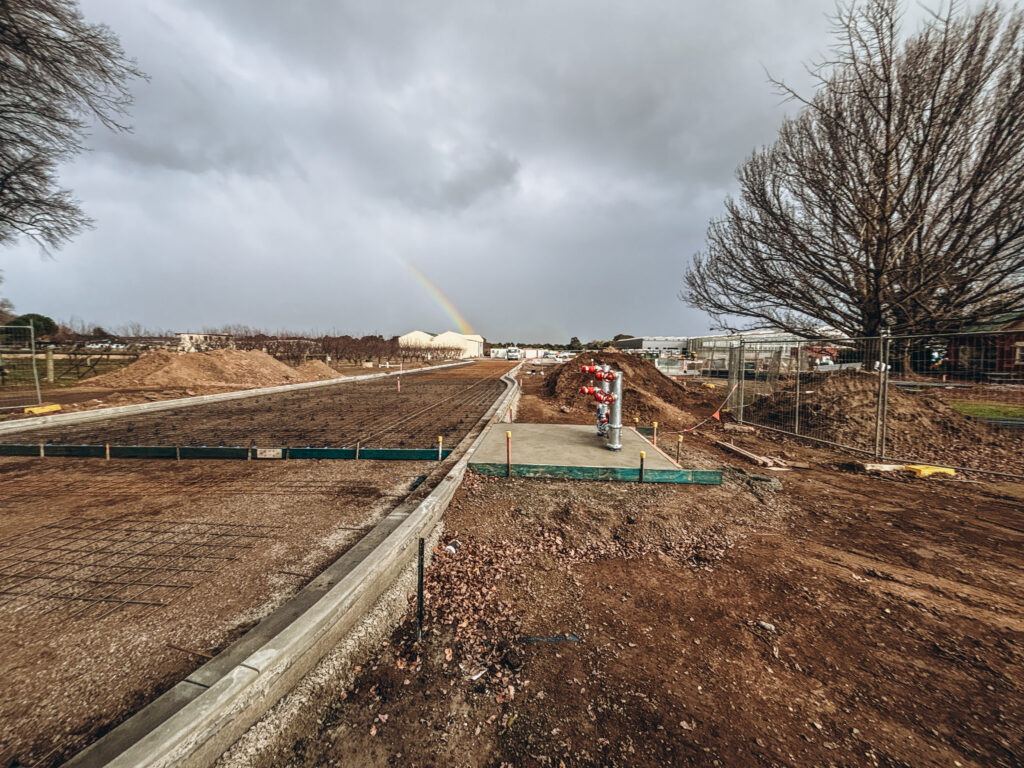
So… is it worth building regionally?
Absolutely. Regional Victoria is full of opportunity.
Land is more affordable. Industrial zones are growing. Councils are increasingly supportive of business development. Whether you’re planning a warehouse, a packing shed, a medical clinic or a new office for your expanding company — building in regional areas often means more space, less red tape, and a quicker ROI.
But only if you have a builder who knows how to navigate it.
That’s where MKM Building Group comes in. We don’t treat regional builds as “out of the way.” They’re core to what we do. Our team thrives on the challenges that come with them — and we know how to turn them into strengths.
Ready to build?
If you’re considering a project in regional Victoria, let’s chat.
We’ll help you assess your site, navigate approvals, and deliver a facility that’s fit-for-purpose and built to last. Whether it’s a greenhouse in Bacchus Marsh, a warehouse in Wendouree, or a sports pavilion in Seabrook — we’re already building where you want to grow.